



About Us - Journey to Kaivalya

Scriptures Study

Ancient wisdom for the modern soul..

Teachings from Timeless Masters

What I Teach

Upanishads

Explore the non-dual truth of existence

Bhagavad Gita

Learn how to live with wisdom & action

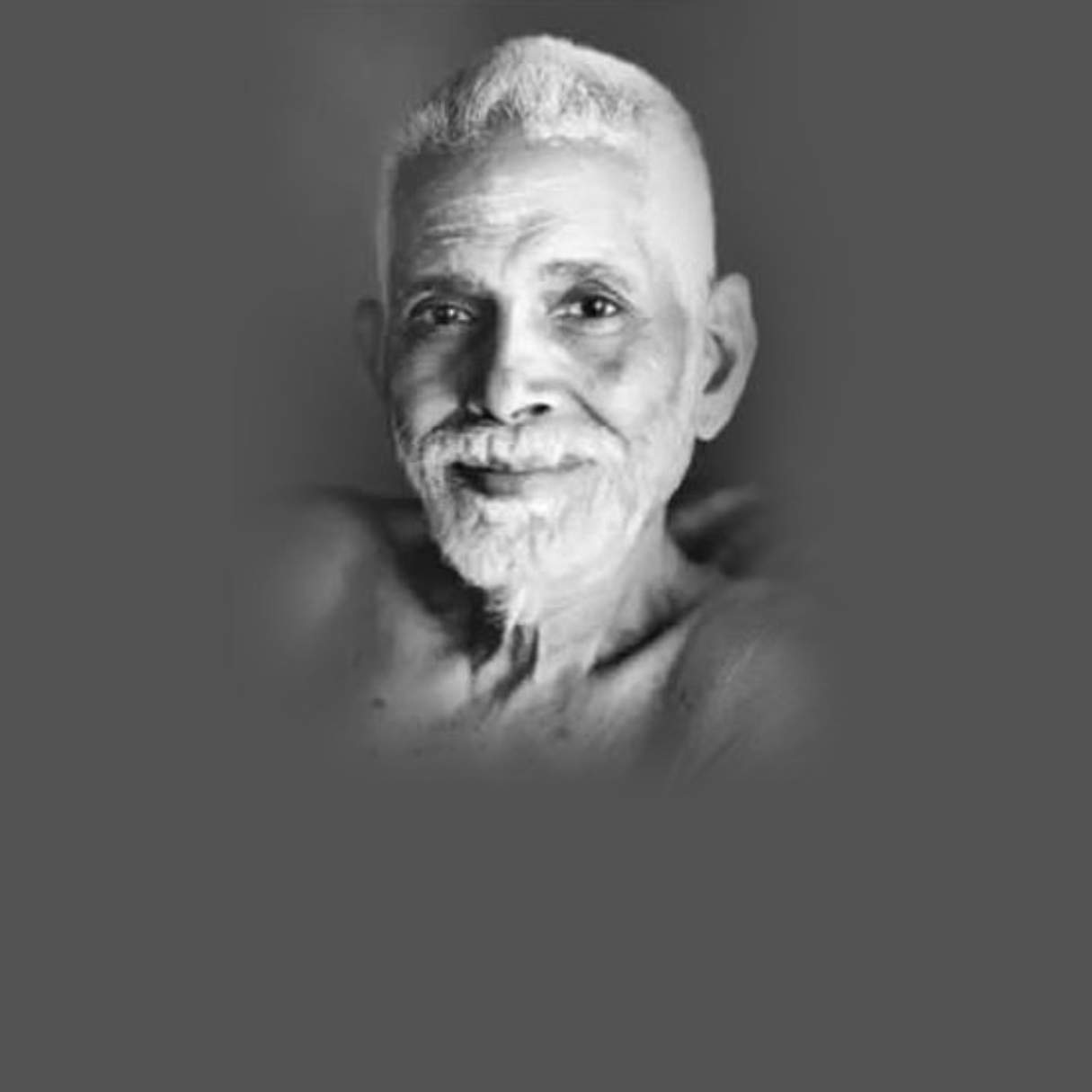
Self-Inquiry (Who Am I?)

Inspired by Sri Ramana Maharshi’s path

Vedanta Basics

Clear the fundamentals of Vedantic inquiry

Krishnamurti Dialogues

Deepen self-observation and awareness

Wisdom from Mystics

Kabir, Buddha, Nisargadatta & more

The Vedas –

The Eternal Source of Knowledge

The Vedas are the oldest scriptures of Sanatana Dharma, considered Apaurusheya, meaning they are not created by humans but were revealed to the ancient Rishis (seers) in deep states of meditation.

The word Veda comes from the Sanskrit root Vid, meaning “to know.”

There are four Vedas, each containing profound knowledge about creation, cosmic order, rituals, philosophy, and the ultimate truth of existence.

Each Veda complements the other, leading the seeker from external rituals to inner realization—culminating in Vedanta (or Upanishads), the ultimate knowledge of the Self.

The Four Vedas

The Vedas, the oldest scriptures of humanity, are the foundation of all spiritual knowledge in Sanatana Dharma. Their knowledge always existed in the cosmos, they were brought to human plane by Rishis who are known as the Seers of Vedas. They were passed through generations via Shruti and were compiled by Ved Vyasa, the Rigved known to be compiled approximately 3500 BC. The four limbs of the Vedas cater to different levels of seekers, transitioning from outer practices to inner wisdom, culminating in Vedanta, the highest pursuit of truth.

Each Veda consists of four sections: - Samhitas, Brahmanas, Aranyakas, and Upanishads.

Samhitas

are collection of hymns and prayers, forming the core of divine knowledge.

Brahmanas

also known as Karm-Kanda, consists of procedural texts that guide the rituals and sacrifices to align human life with cosmic order.

Aranyakas

Aranyak means forest and Aranyakas are the bridge between external rituals and internal contemplation, focusing on meditation and symbolic interpretations.

Upanishads

also called as Vedanta, are Spiritual and philosophical teachings the objective of which was to seek Truth. It guides seekers beyond rituals toward Self-inquiry and ultimate realization.

Rigveda
The Veda of Knowledge & Hymns

Yajurveda
The Veda of Rituals & Sacrifices

Sama Veda –
The Veda of Melodious Chants & Music

Atharveda –
The Veda of Mystical Knowledge & Healing

Upanishads

Para and Apara Vidya

The Brahmavakyas

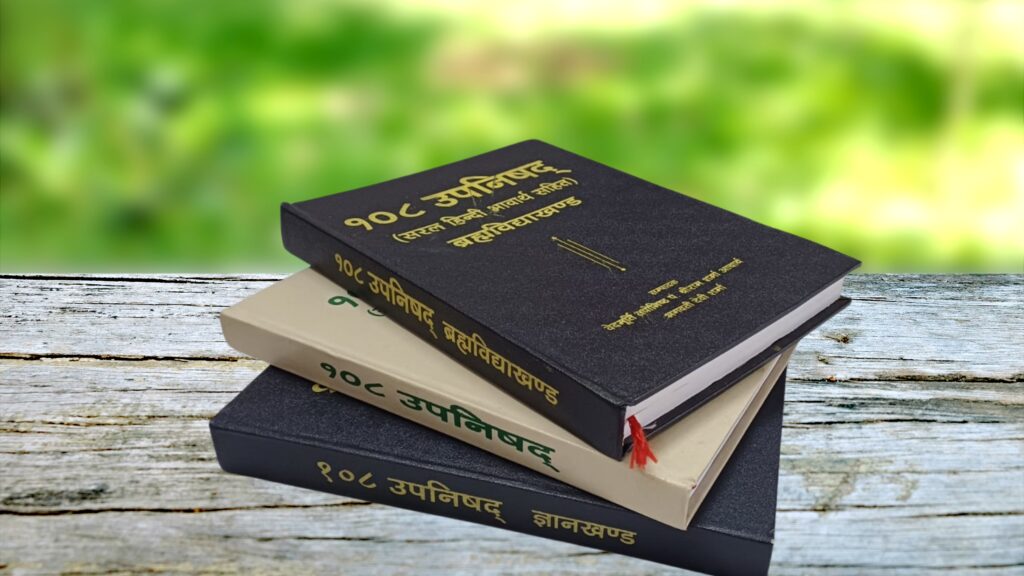
108 Pathways to Self: Exploring the Upanishads

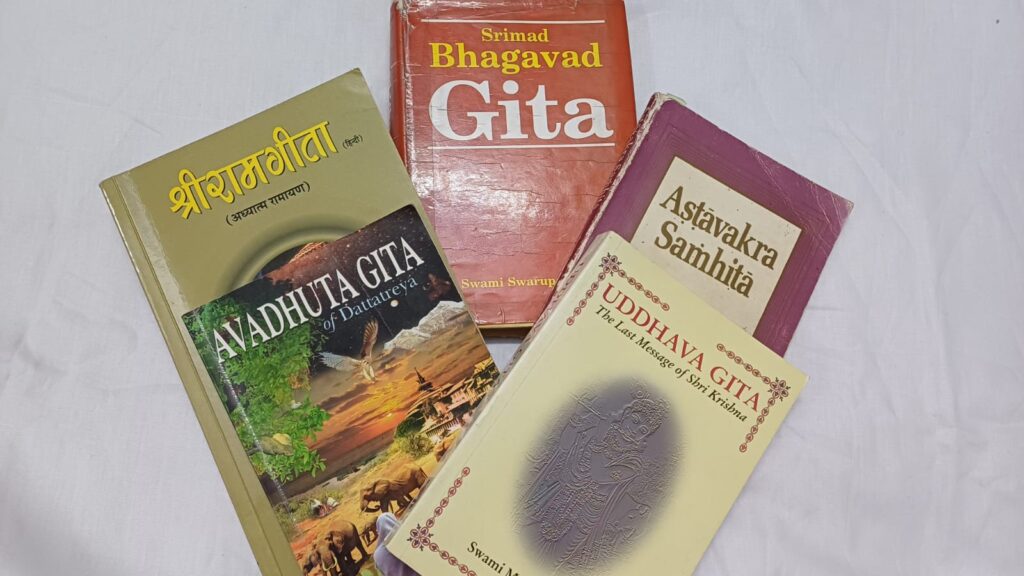
Beyond the Bhagavad Gita: How Many Gitas Exist?

Bring ancient clarity to modern chaos — apply timeless truths to your thoughts, emotions, and everyday choices.

Vedanta for Real Life: Wisdom Beyond the Ashram

Vedanta is not just philosophy — it's a way of living with awareness.In every thought, in every challenge, Vedanta offers a lens to see clearly, act consciously, and live truthfully.

Not a Lecture — A Living Conversation

How the Classes Work

Classes are offered in an accessible, heart-centered, and interactive way.You don’t need prior knowledge — only a seeker’s heart.

Each Session Includes:

Formats:

Sacred Wisdom. Anytime, Anywhere.

Learn at Your Own Pace:

Recorded Scripture Courses by Richa

Explore ancient scriptures through simple teachings — all recorded for your personal spiritual journey.

WhatsApp Image 2025-07-20 at 17.47.59

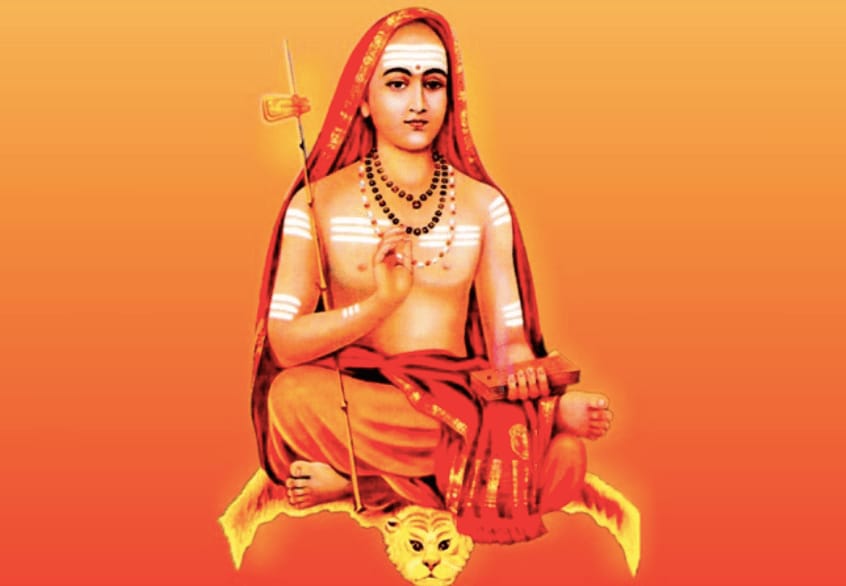
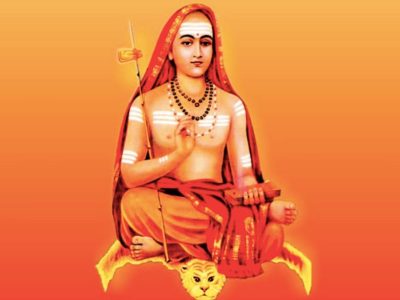
Drg Drsya Viveka – by Adi Shankaracharya

The Dṛg-Dṛśya-Viveka consists of 46 slokas that delve into the distinction between the “seer” (Dṛg) and the “seen” (Dṛśya), provide an overview of samadhi focusing on savikalpa and nirvikalpa, and explore the identity of Atman and Brahman.

WhatsApp Image 2025-07-20 at 17.49.55

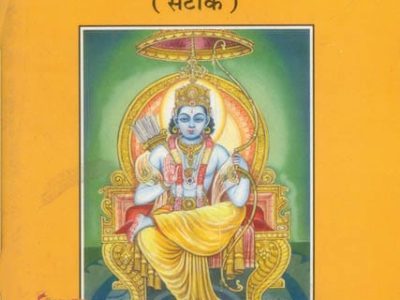
Sri Ram Gita

Lord Rama imparts profound wisdom to Lakshmana, guiding him toward Self-Realization & spiritual enlightenment. He shares timeless Truths on devotion, detachment, and the nature of the Self, illuminating the seeker’s path to union with the ultimate reality.

494

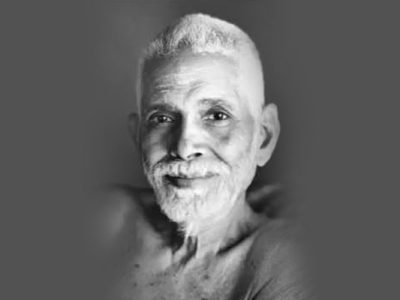
Who AM I – by Maharshi Ramana

Questions of disciples answered by Maharshi Ramana which is an enquiry to our Real nature. Take a dip into the wisdom of Vedanta to discover the Self.

Participant’s Speak

Whether you're new or seasoned, these courses will meet you where you are — and take you deeper.

Holding space for healing, awakening, and inner mastery through energy work, ancient wisdom, and soul-led retreats.

Contact

Address :

Nyay Khand 1, Indirapuram, 

Ghaziabad , 201014

Country : India

Shopping Cart

Rigveda

The Veda of Knowledge & Hymns

Rig Veda is the oldest of the four Vedas and is considered the foundation of all spiritual knowledge.

It is composed of 1,028 hymns arranged in 10 Mandalas (books), dedicated to various deities.

It contains praises and invocations to deities like Agni (fire), Indra (thunder), Varuna (cosmic order), and Soma (divine elixir).

Yajurveda

The Veda of Rituals & Sacrifices

Yajurveda is primarily a practical manual for priests conducting Vedic rituals and yajnas (fire sacrifices).

It is divided into two major branches — Krishna (Black) Yajurveda and Shukla (White) Yajurveda.

It contains detailed descriptions of rituals, offerings, invocations, and chants used in sacred ceremonies such as Agnihotra, Ashvamedha Yajna, and Somayajna.

Yajurveda represents the Karma-Kanda — the discipline of action, sacred duties, and ritualistic practices that lead to purification and spiritual elevation.

Sama Veda

The Veda of Melodious Chants & Music

Known as the Veda of Divine Music, Sama Veda transforms Rig Vedic hymns into melodious chants.

It contains 1,875 hymns, most of which are taken from the Rig Veda but are arranged into specific melodies (swaras) for chanting.

Sama Veda is the Veda of devotion (Bhakti Yoga), uplifting consciousness through musical recitation and spiritual bliss.

A well-known example is the Gāyatrī Mantra — originally from the Rig Veda but extensively sung in the Sama Veda tradition.

Atharvaveda

The Veda of Mystical Knowledge & Healing

The Atharvaveda is a unique Veda containing esoteric wisdom, sacred prayers, and mystical incantations.

It deals with healing, Ayurveda, ethics, social harmony, and spiritual protection.

Its teachings explore:

• Healing herbs and medicines — the very foundation of Ayurveda
• Protection spells and mantras for removing negativity and diseases
• Deep philosophical insights on life, death, and liberation

Atharvaveda emphasizes Jnana (wisdom) and Tantra (spiritual techniques) for the well-being of both individuals and society.

Meaning of Upanishads

The term Upanishad means “sitting near,” symbolizing the sacred transmission of wisdom from teacher to disciple. It also implies secret knowledge—truth that dissolves ignorance (avidya) and reveals the highest reality.

The Upanishads, or Vedanta, form the Jnana Kanda (knowledge section) of the Vedas and guide seekers from intellectual understanding to direct self-realization.

Vedanta – The Supreme Knowledge

The Upanishads, also known as Vedanta, represent the pinnacle of Vedic wisdom. They transcend all forms of knowledge by pointing directly to the ultimate reality—Brahman, the infinite consciousness. While worldly paths may provide knowledge *of* things, Vedanta reveals the knower *behind* all things.

Often misunderstood as the “end of the Vedas,” Vedanta actually symbolizes the highest culmination of Vedic wisdom—beyond which nothing higher remains to be known.

It dissolves ignorance (avidya) and reveals the eternal truth of the Self.

It is not a belief system but a direct path to liberation (moksha).

It does not seek external proof but rests on direct experience (anubhava).

Unlike religious dogma, Vedanta imposes no commandments but encourages deep self-inquiry (Atma-Vichara).

For the sincere seeker, Vedanta is the key to the highest freedom—unshakable peace and limitless joy beyond birth and death.

Vedanta is primarily about Para Vidya—the Knowledge of the Beyond.

Para and Apara Vidya

Mundaka Upanishad categorizes knowledge into two types:

1. Apara Vidya (Lower Knowledge) – This includes all forms of intellectual and scriptural learning, such as the Vedas, rituals, sciences, arts, and philosophy. It helps refine the mind but does not directly lead to liberation. The importance of Apara Vidya cannot be underestimated, as it teaches one how to sustain in the world and is therefore also called worldly knowledge.

2. Para Vidya (Higher Knowledge) – The knowledge of the Self (Atman/Brahman), which alone brings liberation. It is not mere information but direct realization—the dissolving of all illusions (maya) to rest in the eternal truth.

While Apara Vidya shapes one’s spiritual discipline, Para Vidya is the final wisdom that unveils the immortal, blissful Self—beyond mind, beyond body, beyond time.

The Brahmavakyas

The Mahavakyas or “great statements” from the Upanishads directly point to the non-dual nature of reality.

1. Prajnanam Brahma (Consciousness is Brahman) – Aitareya Upanishad

2. Aham Brahmasmi (I am Brahman) – Brihadaranyaka Upanishad

3. Tat Tvam Asi (That Thou Art) – Chandogya Upanishad

4. Ayam Atma Brahma (This Self is Brahman) – Mandukya Upanishad

These statements serve as meditative mantras, guiding seekers to their true nature—pure awareness beyond all limitations.

108 Pathways to Self: Exploring the Upanishads

There are over 200 Upanishads, but 108 are traditionally recognized. Among them, 10 are considered the principal Upanishads, as they were extensively commented upon by Adi Shankaracharya and form the foundation of Vedanta.

The Main Upanishads

1. Isha Upanishad – The essence of non-duality (Advaita).

2. Kena Upanishad – The inquiry into the nature of consciousness.

3. Katha Upanishad – Dialogue between Nachiketa and Yama on death and the Self.

4. Prashna Upanishad – Six questions about the cosmic order.

5. Mundaka Upanishad – Differentiation between higher and lower knowledge.

6. Mandukya Upanishad – The science of Om and the four states of consciousness.

7. Taittiriya Upanishad – Layers of the self (Koshas).

8. Aitareya Upanishad – The origin of creation and consciousness.

9. Chandogya Upanishad – The famous teaching Tat Tvam Asi (Thou Art That).

10. Brihadaranyaka Upanishad – Deep exploration of Aham Brahmasmi (I am Brahman).

These Upanishads are the spiritual backbone of Vedantic wisdom, guiding seekers towards self-knowledge and liberation.

Beyond the Bhagavad Gita: How Many Gitas Exist?

Popularly, when the word Gita is used, it automatically refers to the most well-known Bhagavad Gita. However, many other Gitas exist besides it.

A few of the well-known texts that teach the path to Self-Realization are:

1. Bhagavad Gita – The dialogue between Krishna and Arjuna on Dharma and Moksha.

2. Ashtavakra Gita – A pure Advaita text emphasizing effortless Self-realization.

3. Ribhu Gita – The teachings of Lord Shiva on absolute non-duality.

4. Uddhava Gita – Krishna’s final teachings to Uddhava, an advanced Vedantic discourse.

5. Avadhuta Gita – The spontaneous wisdom of Dattatreya, a radical non-dual text.

6. Anu Gita – The continuation of the Bhagavad Gita, given to Arjuna after the war.

7. Shri Ram Gita – The teachings of Sri Ram to Laxmana about Self-Realization.

Each of these texts expands on Vedantic principles and offers direct paths to Self-knowledge.